Sign in
If you do not have an account, click Create AccountCreate Account
Some items are no longer available. Your cart has been updated.
This discount code cannot be used in conjunction with other promotional or discounted offer.
Your cart is empty.

As the 2026 FIFA World Cup approaches, a quiet revolution is taking place in kit design—one that prioritizes the planet alongside performance. Football has long been a mirror of global culture, and now, it’s reflecting our collective environmental consciousness. Leading brands are turning to innovative sustainable materials, transforming what was once disposable fan merchandise into a statement of ecological responsibility. This shift isn’t just about green marketing; it’s a response to a generation of fans who demand that their passion for the sport aligns with their values for the Earth’s future.
The global sportswear industry is a significant contributor to textile waste and pollution. In response, major football federations and manufacturers are setting ambitious goals. For the 2026 tournament, we anticipate seeing kits made from an unprecedented percentage of recycled materials. Brands like Nike and Adidas have publicly committed to using 100% recycled polyester in their products in the coming years, and the World Cup—the world’s largest sporting stage—is the perfect platform to showcase this progress.
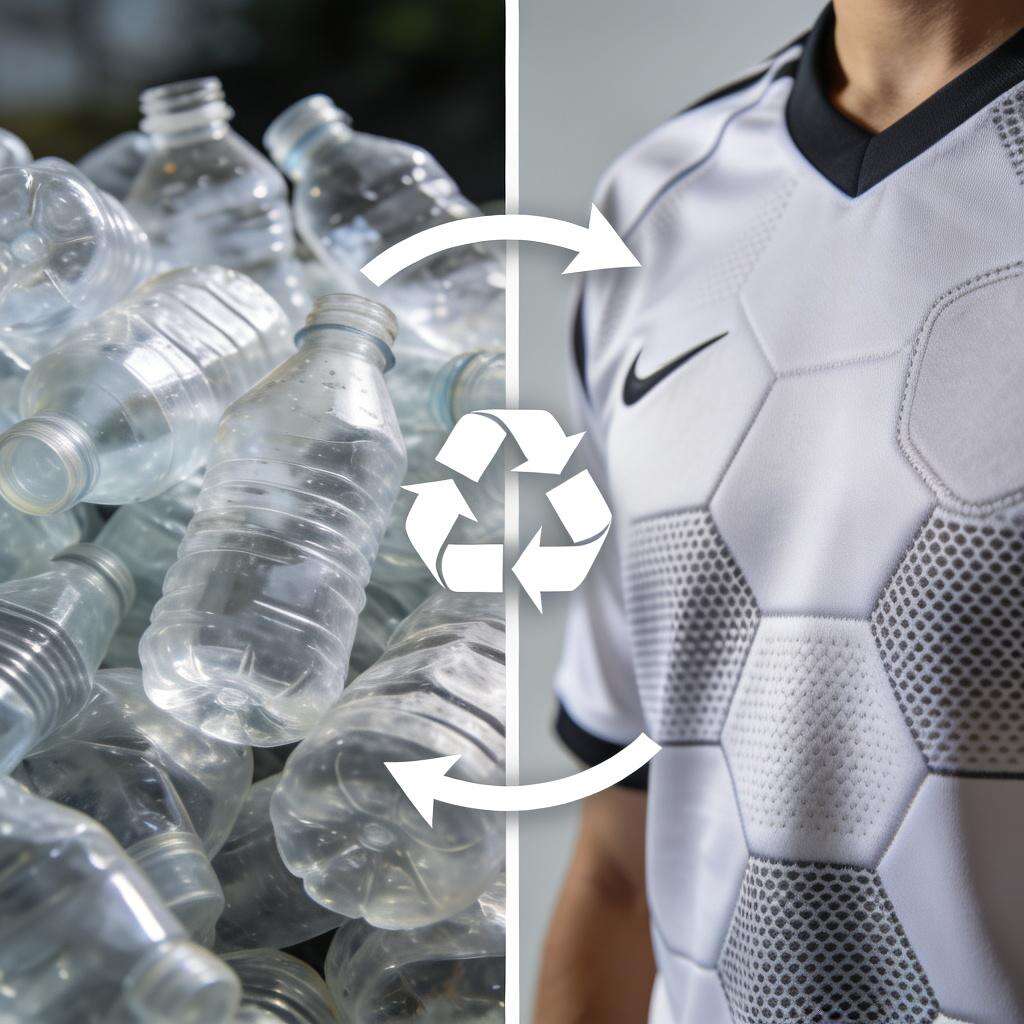
So, what are these next-gen jerseys actually made of? Here’s a breakdown of the key materials poised to define 2026 kits:
Recycled PET (Polyethylene Terephthalate): This is the frontrunner. Derived from post-consumer plastic bottles, recycled PET is processed into fine yarns that create lightweight, durable, and high-performance fabric. It reduces reliance on virgin petroleum-based materials and keeps plastic out of oceans and landfills.
Ocean Plastic: A subset of recycled materials, this involves plastic waste collected directly from coastal areas. It’s a powerful narrative tool, symbolizing a direct clean-up effort.
Organic Cotton: For training wear and fan clothing, organic cotton—grown without toxic pesticides—will see increased use. While less common in high-performance player kits, it’s a staple in broader merchandise collections.
Emerging Bio-Fabrics: Keep an eye on innovations like fabrics made from algae, mycelium (mushroom roots), or regenerated cellulose. While likely not mainstream by 2026, we may see them in limited-edition concept kits.
Q1: Are recycled material jerseys as good as traditional ones?
Absolutely. Modern recycling technology creates polyester fibers that are virtually identical in performance to virgin polyester. They offer the same crucial benefits for athletes: excellent moisture-wicking, breathability, and a lightweight feel. In many cases, the sustainable version is the superior technical product.
Q2: How can I verify a jersey’s eco-friendly claims?
Look for specific certifications on the product tag or description. Key ones to trust include:
Global Recycled Standard (GRS): Verifies recycled content.
OEKO-TEX Standard 100: Ensures the fabric is free from harmful substances.
Bluesign®: Certifies that the entire manufacturing process is environmentally friendly and safe.
Q3: Will sustainable jerseys cost more?
Initially, they might carry a small premium due to more complex sourcing and production. However, as these practices become standard, prices are normalizing. Many fans find the added cost worthwhile for a product that aligns with their values.
Q4: How should I care for my eco-friendly jersey to make it last?
Care is essential for longevity! Wash in cold water, use a gentle cycle, and avoid fabric softeners (they can clog moisture-wicking fibers). Air-drying is best. Proper care reduces your environmental footprint by extending the garment’s life.
Sustainability doesn’t mean sacrificing style. The 2026 eco-kits are expected to feature:
Clean, modern designs that let the story of the material shine.
Water-based, eco-friendly inks for prints and badges, which are softer and reduce chemical use.
Minimalist construction with fewer fused layers, making the jersey easier to recycle at its end-of-life.

For collectors, these early sustainable kits represent a pivotal moment in football history—the era the game went green. They are likely to become significant pieces in any collection. As a fan, choosing these kits is a direct way to vote with your wallet, showing clubs and federations that environmental responsibility matters.
When shopping, particularly online, be an informed consumer:
Read Descriptions Carefully: Reputable retailers will detail material composition (e.g., “100% recycled polyester”).
Seek Out Certifications: Look for the trustmarks and certifications mentioned above.
Support Transparent Brands: Favor brands that openly discuss their supply chain and sustainability goals.
Think Long-Term: Choose classic designs you’ll wear for seasons, not just trends that fade.
The 2026 World Cup is set to be a tournament of firsts—the first hosted across three nations and potentially the greenest in history. The jerseys worn by idols on the pitch will tell a story of innovation and responsibility. We can expect to see these principles applied across all teams, from traditional powerhouses to emerging nations. For instance, a potential England away jersey for 2026 might combine this sustainable fabric with a modern, minimalist take on the classic red cross.By choosing a kit made from recycled materials, you’re not just supporting your team; you’re supporting the future of the sport and the planet. The beautiful game is getting a beautiful new look.
Ready to explore a curated selection of premium footballwear? Discover jerseys that combine classic style, modern performance, and responsible design for the discerning fan.
Comment